In this piece
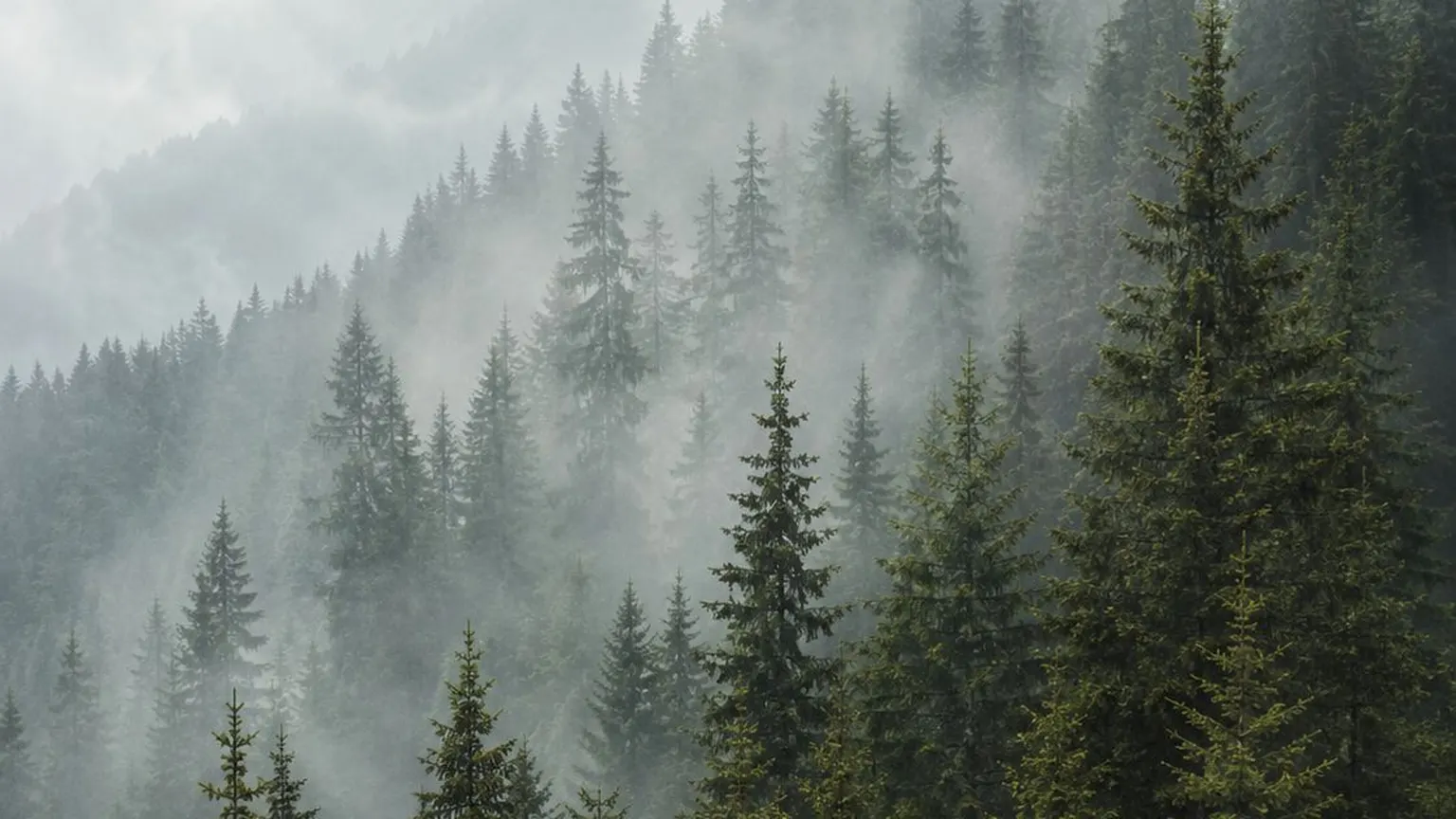
Mountain architecture begins with listening. Before drawing walls, we look at the slope, the movement of the sun, the trees, the views and the weather.
Journal Note
The site comes first
A mountain home cannot simply be placed on a site. It needs to respond to it. Orientation, access and levels become part of the design from the very beginning.
Journal Note
Working with natural materials
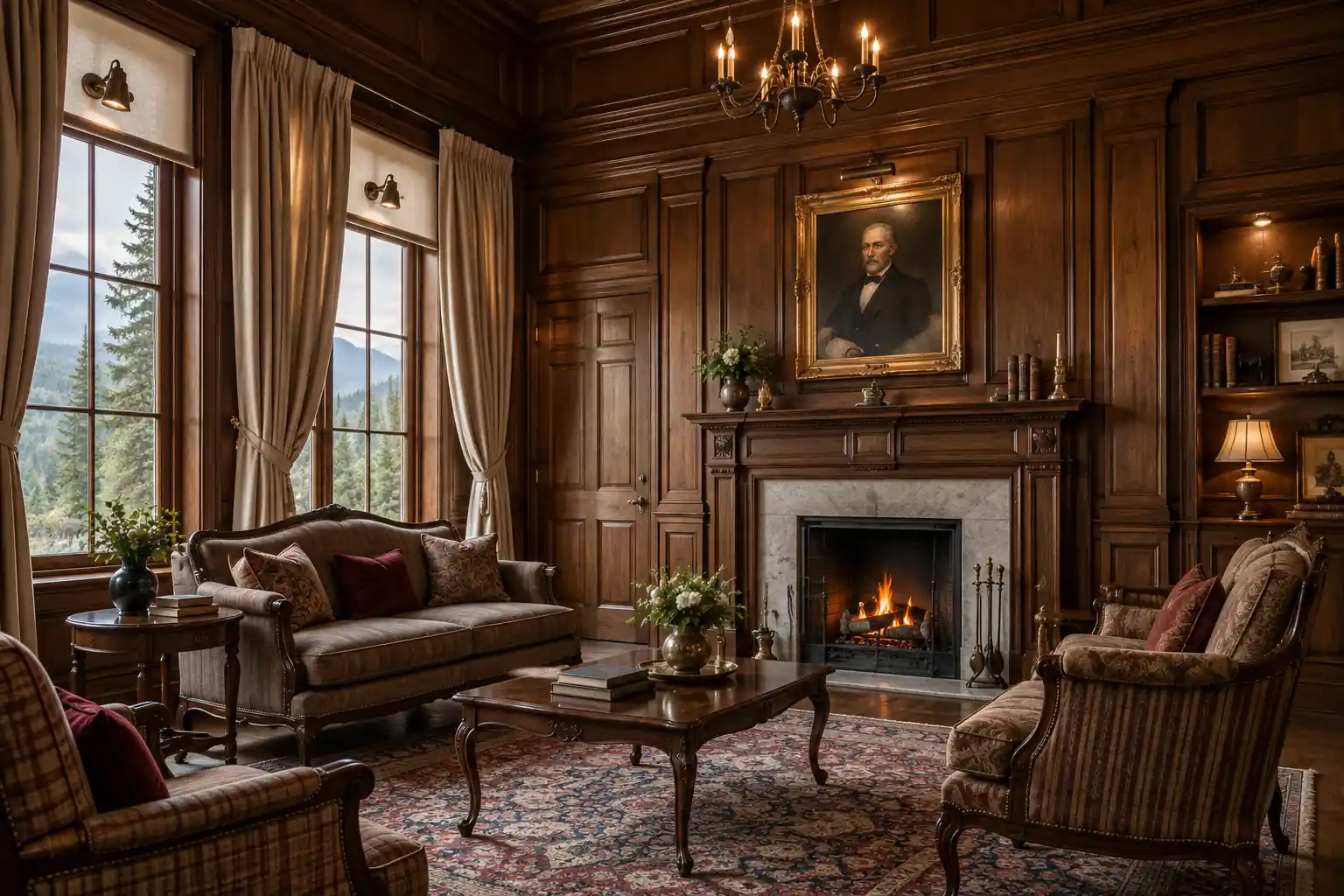
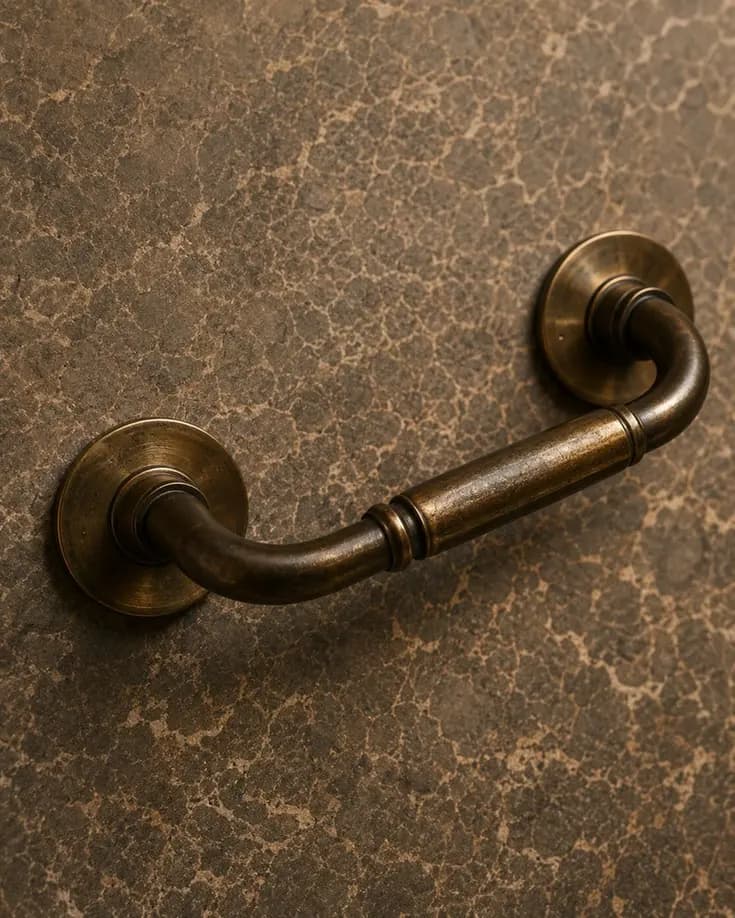
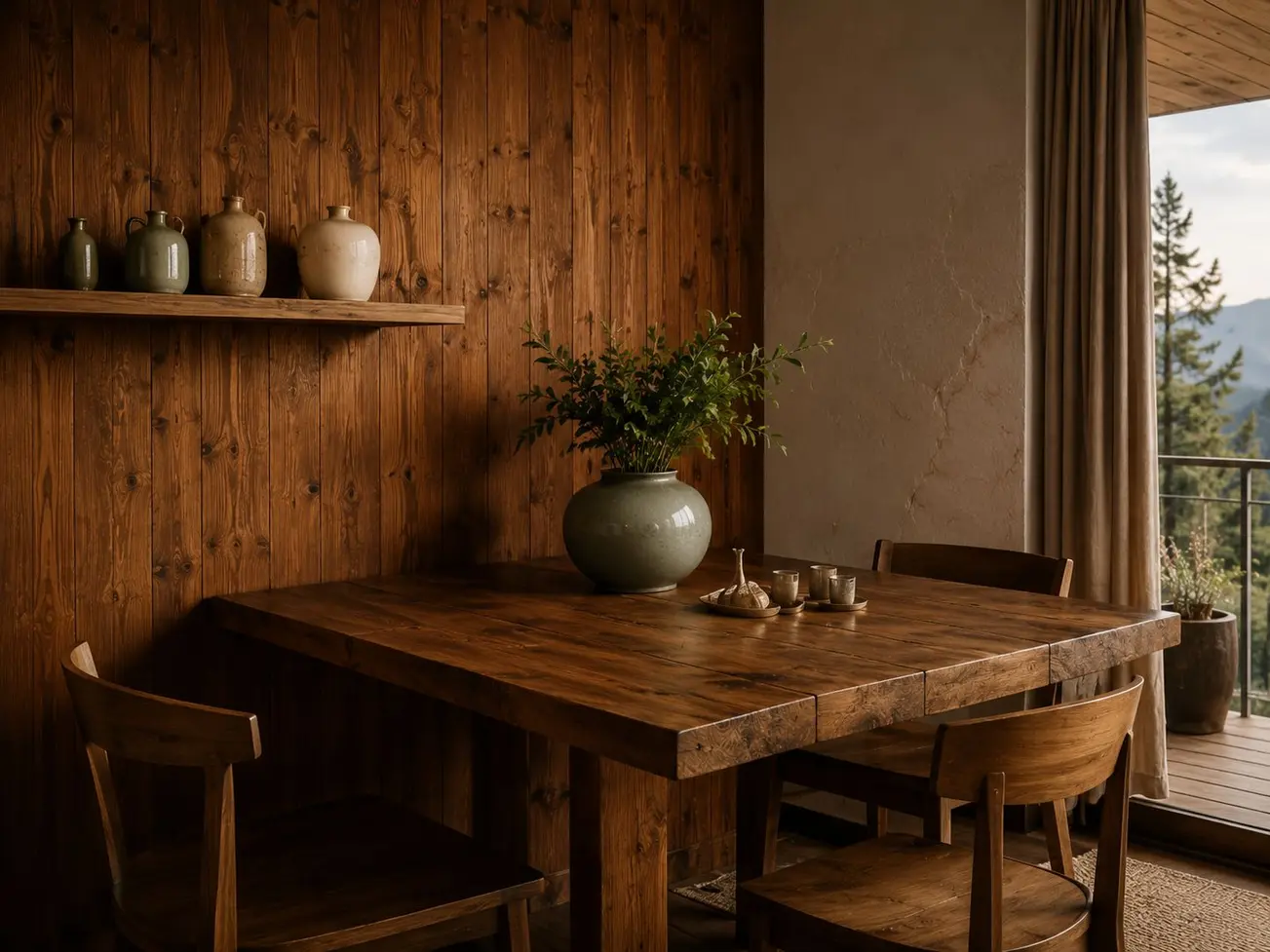
Stone, timber, lime and natural textiles help a home feel connected to its surroundings. Their textures change with light and time, allowing the architecture to settle naturally into the landscape.
The house should feel as though the mountain was always part of the design.
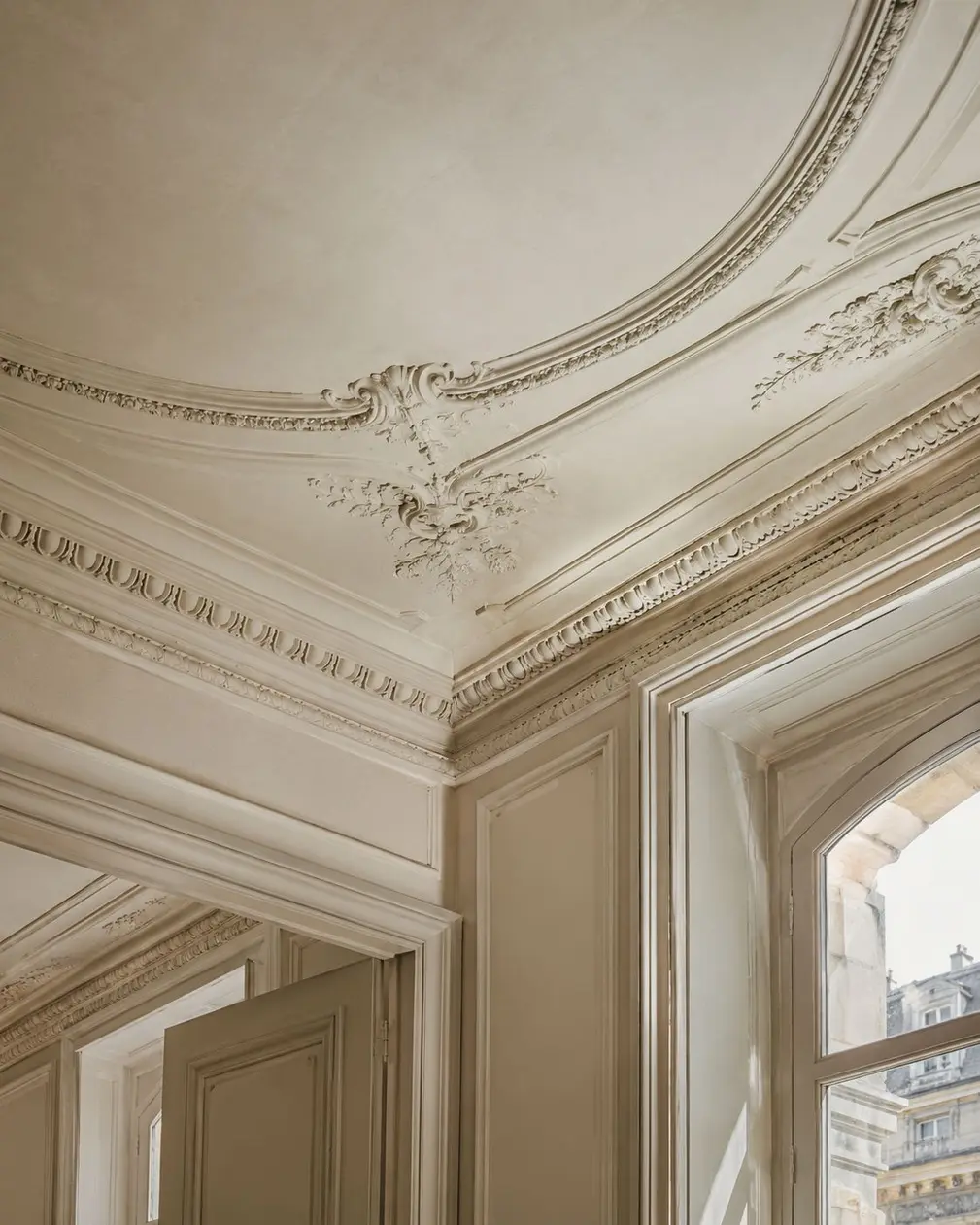
The strongest mountain interiors are rarely the loudest. They use restraint, allowing views, materials and natural light to carry much of the experience.
Journal Note
A quieter kind of luxury
Luxury in the mountains is often about comfort rather than excess — warm floors, generous windows, tactile materials, good lighting and spaces that make you want to stay a little longer.
Journal Note
Belonging to the landscape
At Roar, the aim is simple: create homes that feel as though they could only belong to that particular piece of land.
End of note
ROAR Interiors Journal