In this piece
Some buildings aren't meant to be perfect. They are meant to age, to shift, to carry the hands that built them. When we first visited this old cottage in Mashobra, the instinct was not to erase what had happened to it, but to understand it.
Journal Note
What deserves to remain
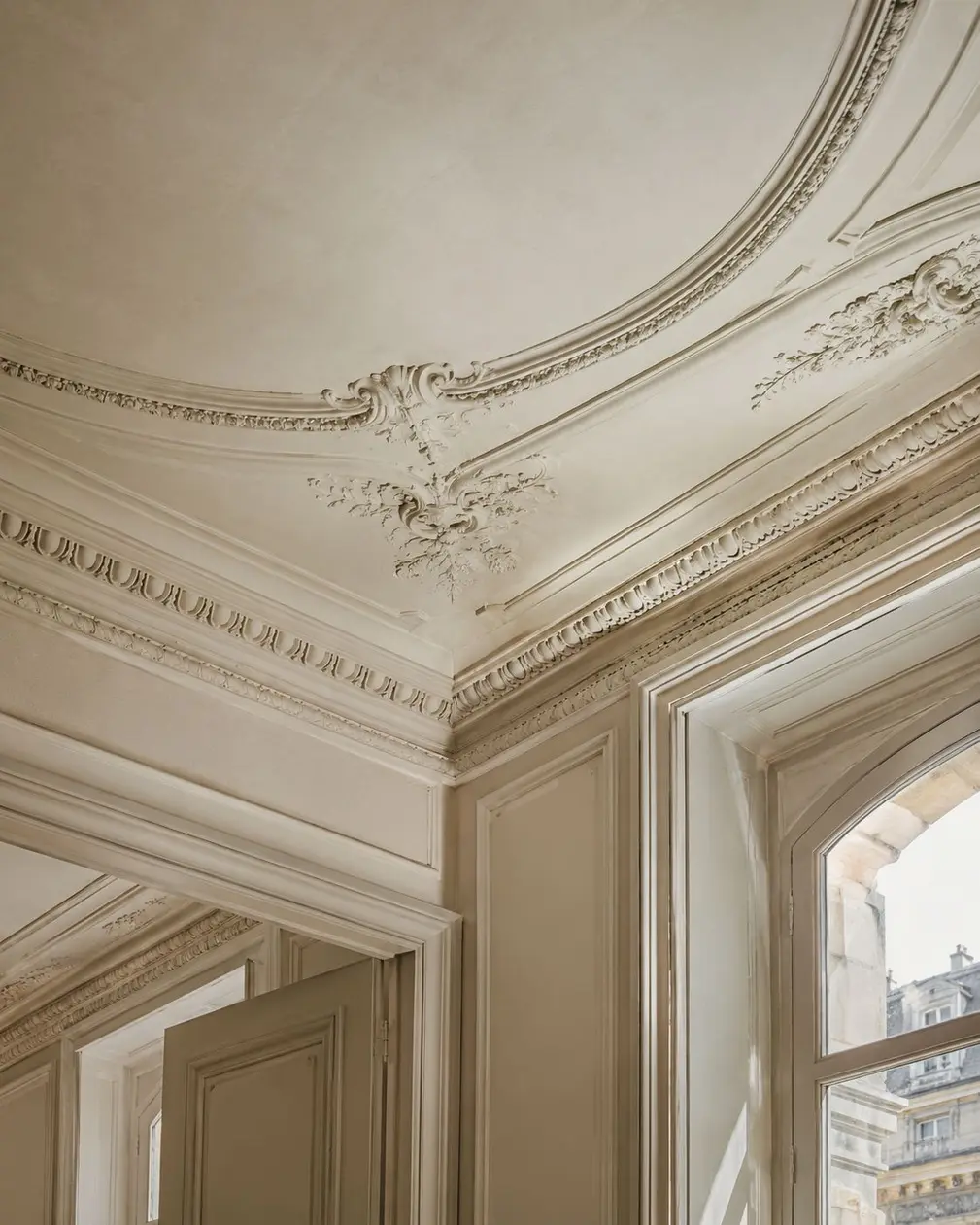
Restoration begins with restraint. Before introducing anything new, we look carefully at what already exists — the timber, the stone, the proportions, the marks left by time and the small irregularities that give a building its identity.
In this cottage, the original structure had a quiet honesty. The stone walls were uneven. Timber had darkened naturally over the years. Old openings framed the landscape in ways that felt impossible to recreate intentionally.
Journal Note
Restoring without making it new
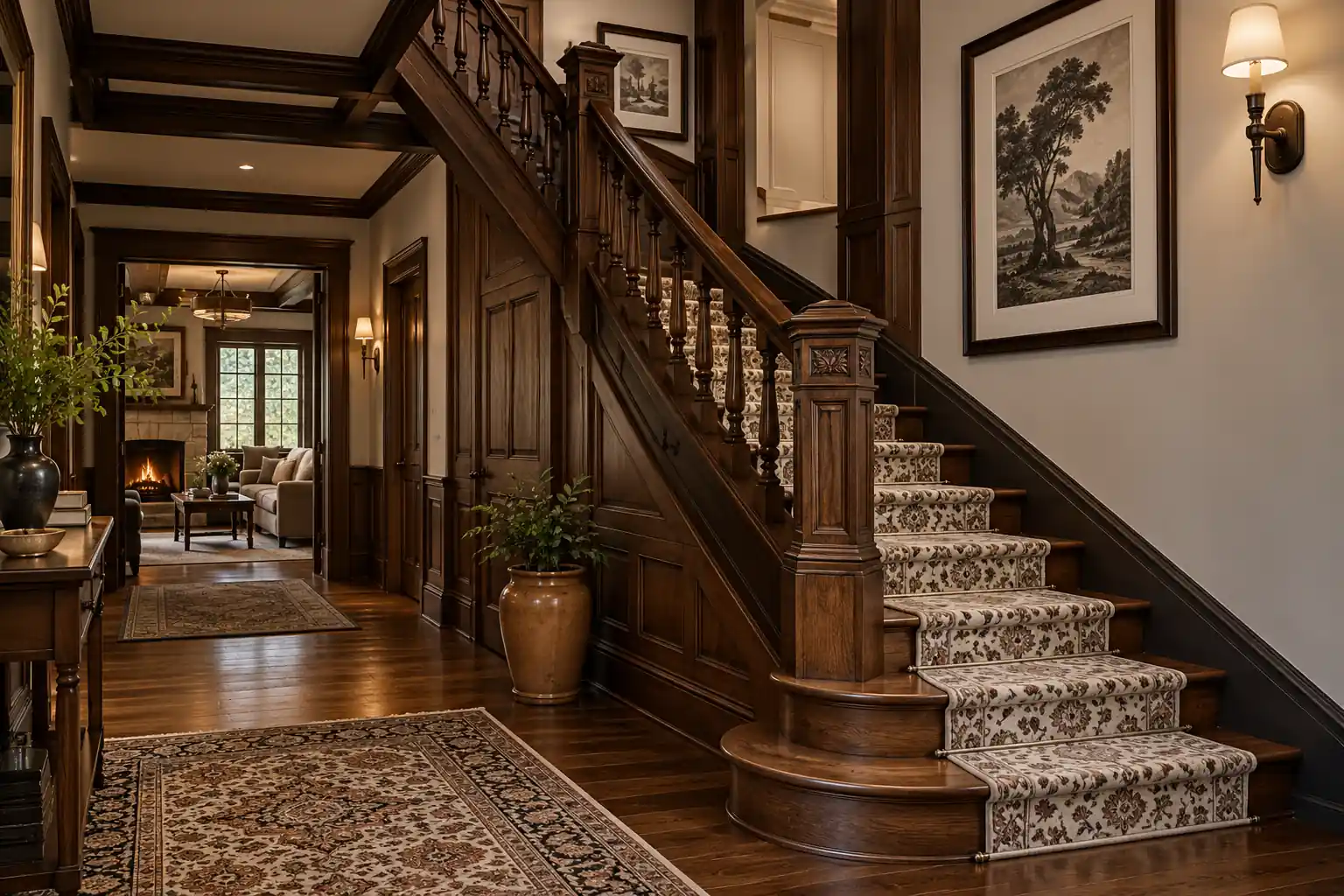
The goal was never to make the cottage look newly constructed. Instead, the work focused on repairing what could be repaired, replacing only what was beyond saving and allowing the newer elements to sit quietly beside the old.
The most successful restoration is often the one where you can still feel the age of the building.
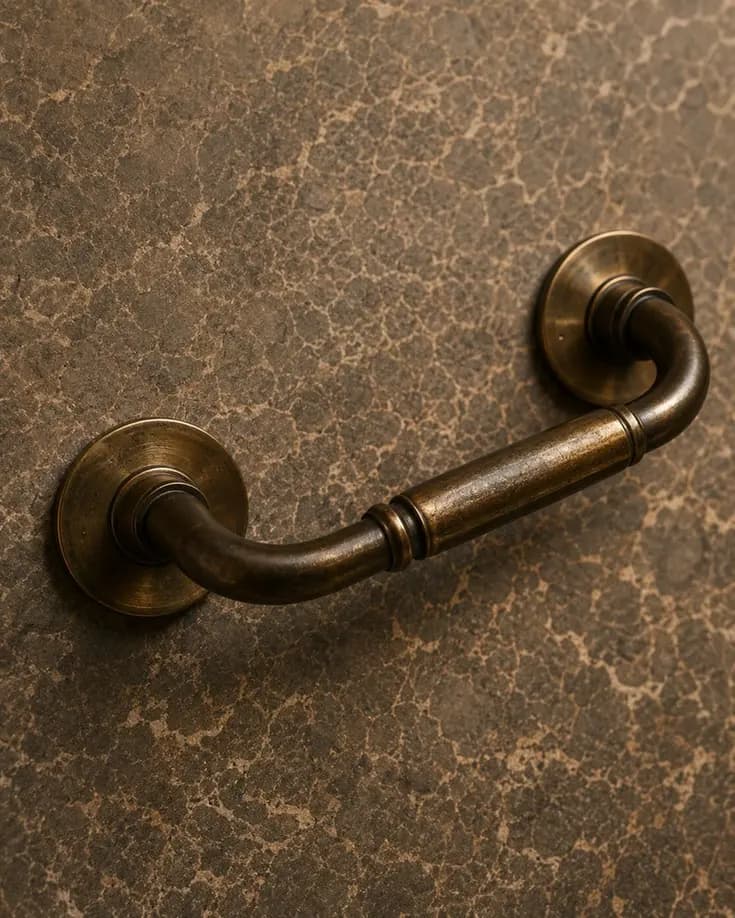
New timber was selected to sit comfortably beside the original wood. Lime-based finishes were chosen for their softness and ability to age naturally. Stone was repaired rather than concealed, allowing the walls to retain their character.
Journal Note
Letting the landscape back in
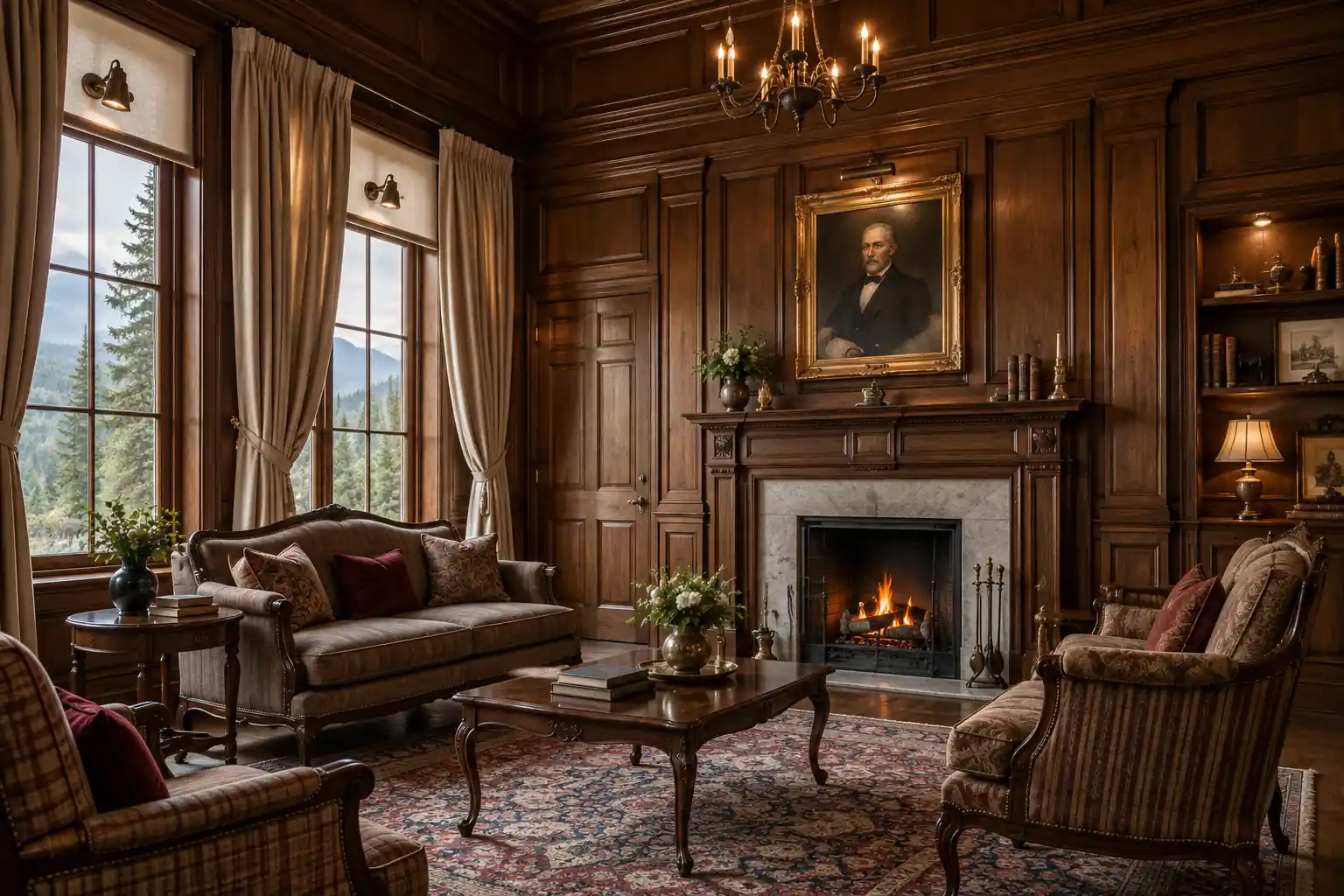
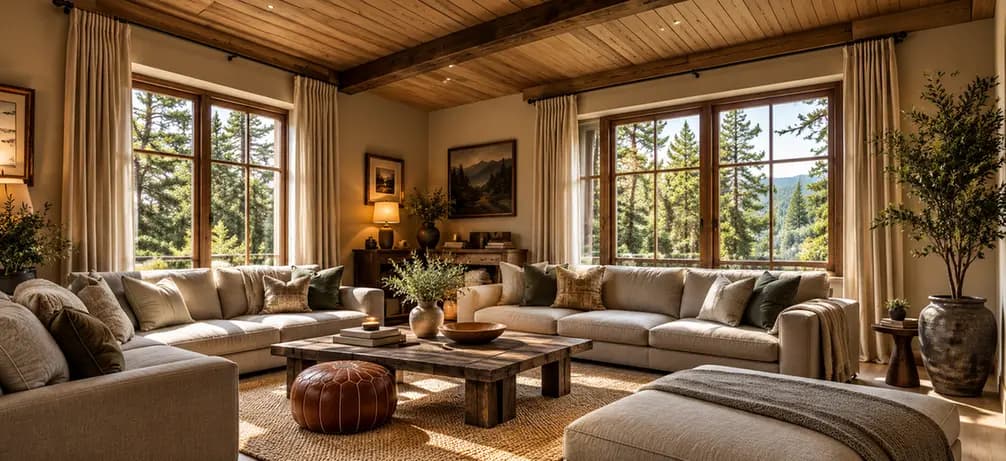
The surrounding landscape was always part of the architecture. Rather than competing with the mountain views, the intervention was designed to frame them.
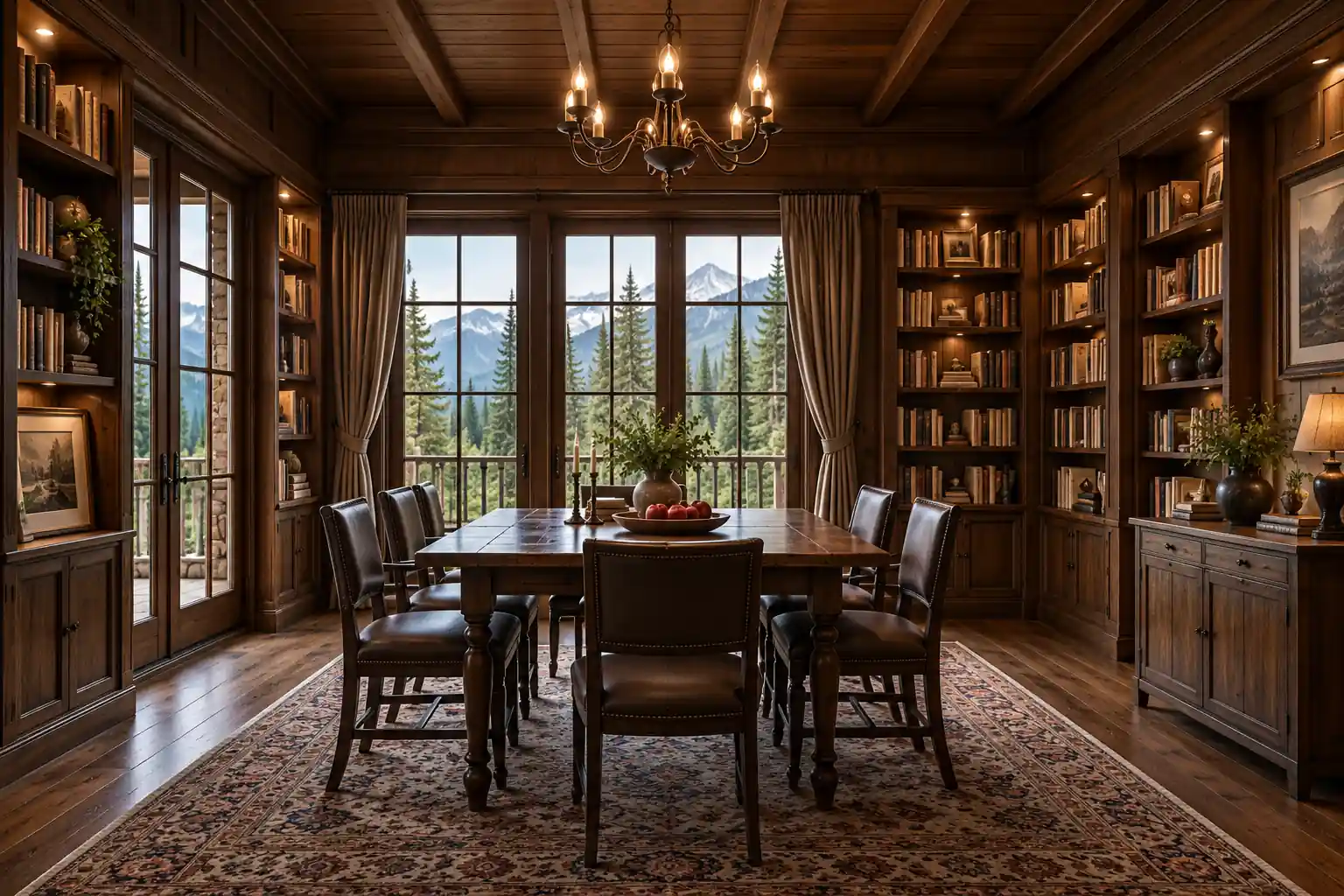
Windows were retained and carefully restored. Outdoor paths were repaired using local stone. Planting was kept natural and restrained so that the house could continue to feel rooted in its hillside setting.
Journal Note
The value of imperfection
There is something deeply comforting about spaces that show evidence of having been lived in. A worn threshold, a slightly uneven wall or timber that has changed colour over decades can often tell us more than a perfectly finished surface.
For us, restoration is about protecting that feeling. The building should become more useful and comfortable without losing the qualities that made it worth restoring in the first place.
Journal Note
A slower way of designing
Good restoration takes time. It requires looking closely, making fewer decisions and understanding when to intervene and when to leave something alone.
The result is not a house that looks old. It is a house that feels like it has always belonged there.
End of note
ROAR Interiors Journal